 EN
EN NL
NL DE
DE FR
FR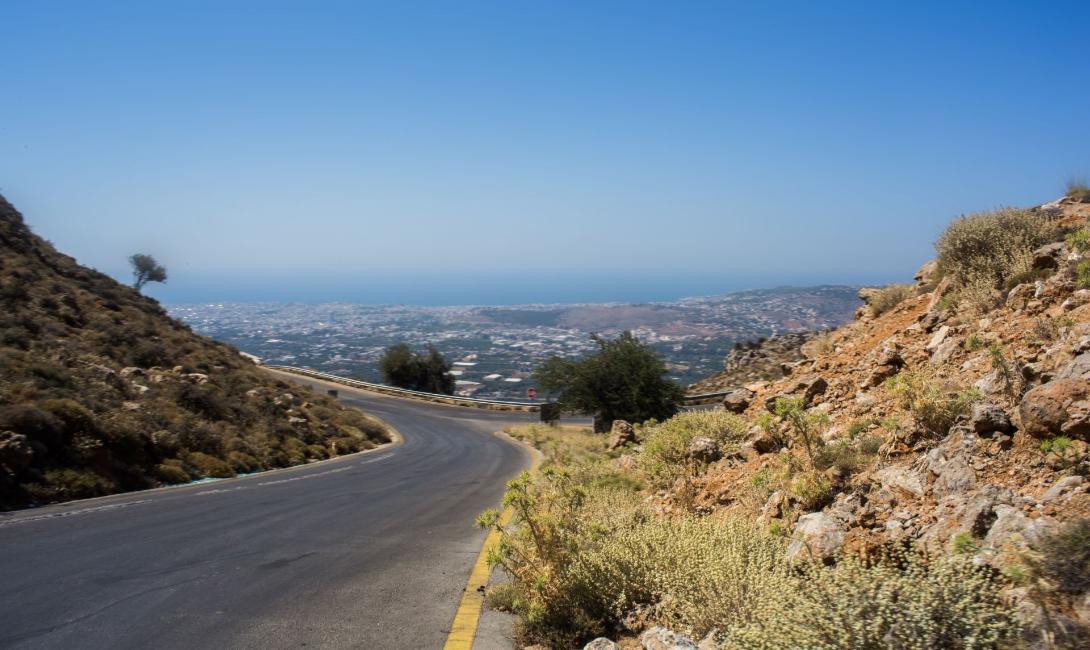
In late 2025, Greek driving laws were updated, and the changes apply nationwide, including in Crete. These updates affect everyday driving, particularly around speed enforcement and driver responsibilities.
This guide explains how the current driving rules in Greece apply on Cretan roads, covering documents, speed limits, parking, alcohol laws, and practical tips to help you feel confident and relaxed when renting a car in Crete and exploring the island.
Quick Update: Greek Driving Law Changes (Late 2025)
- Stricter speed enforcement, including wider use of automated checks
- Higher fines for speeding, especially for repeat or serious offences
- Clearer responsibilities for drivers and passengers, including mandatory seatbelt use for all occupants and cooperation during roadside checks
- Rules apply across Greece, including all islands
You’ll see how these updates affect everyday driving in the sections below.
Table of Contents
- Driving in Greece as a Tourist – Legal Framework
- Documents Required for Driving in Crete
- Speed Limits in Greece: What Applies in Crete
- Road Types and Driving Conditions in Crete
- Parking Rules in Crete
- Alcohol Limits and Drink-Driving Penalties in Greece (Crete)
- What are the rules for foreign licence holders driving in Greece?
- 3 Practical Tips for Driving Your Rental Car in Crete
- Rent a Car with Motor-plan and Explore Crete with Confidence
Driving in Greece as a Tourist – Legal Framework
The Legal Framework in Greece operates under a single national Traffic Code, which applies nationwide, including both the mainland and all islands. This means that the same legal framework governs speed limits, alcohol limits, parking rules, and general road regulations throughout the country.
For tourists and foreign drivers, this provides consistency: driving rules in Crete follow the same national law as elsewhere in Greece. Local road conditions may vary, but the legal requirements remain the same.
Documents Required for Driving in Crete
| Required Documents | What You Need to Know |
|---|---|
| Valid driving licence | Must be valid and legally recognised in Greece. EU/EEA licences are accepted without additional documents. |
| International Driving Permit (IDP) | Required for most non-EU licences, including US licences. Must be obtained before travelling to Greece. |
| Passport or national ID | Must be carried at all times and may be requested during roadside police checks. |
| Rental agreement / vehicle documents | Confirms you are an authorised driver of the vehicle and must be available if stopped by police. |
Identification and Vehicle Documents
When driving in Crete, you should have the following with you:
- Your passport or national ID
- Your driving licence
- Vehicle documents or a rental agreement
These may be requested during routine police checks, so keeping them easily accessible is recommended.
Driving Licence Rules for Foreign Visitors
Licence requirements depend on where your licence was issued.
- EU licence holders can drive in Greece using their national driving licence
- Most non-EU licence holders, such as those from the United States, Canada, Australia, and New Zealand, are required to carry an International Driving Permit (IDP) when driving in Greece.
If an IDP is required, it usually must be obtained before travelling, as they are not typically issued abroad.
Tip: If it’s your first time visiting Crete and you’re renting a car at Heraklion or Chania, having your licence, ID, and rental documents ready helps you get on the road quickly and start exploring without delays.
Speed Limits in Greece: What Applies in Crete
Speed limits in Greece apply nationwide, including in Crete. However, local road layout, terrain, and signage in Crete often make posted limits more important than the general rules, especially on rural and coastal routes.
| Road Type | Standard Speed Limit | How This Typically Applies in Crete |
|---|---|---|
| Urban areas | 50 km/h | Towns such as Heraklion, Chania, and Rethymno |
| Residential zones | 30 km/h (where posted) | Common near schools and residential neighbourhoods |
| Rural roads | Up to 90 km/h | Often lower in practice due to curves and visibility |
| Main roads / expressways | 110 km/h | Sections of the main north coast road (VOAK) |
| Motorways | Up to 130 km/h | Limited stretches; follow posted signs carefully |
Rural Roads and Main Routes Speed Limits
- Rural roads: up to 90 km/h, where permitted
- Main roads and highways: 110–130 km/h, where posted
Info: Speed limits can change frequently, especially near junctions or villages, so road signs should always be treated as the final authority.
Road Types and Driving Conditions in Crete
Below you can find the 3 road types and driving conditions in Crete:
Main Roads, Rural Roads, and Mountain Routes
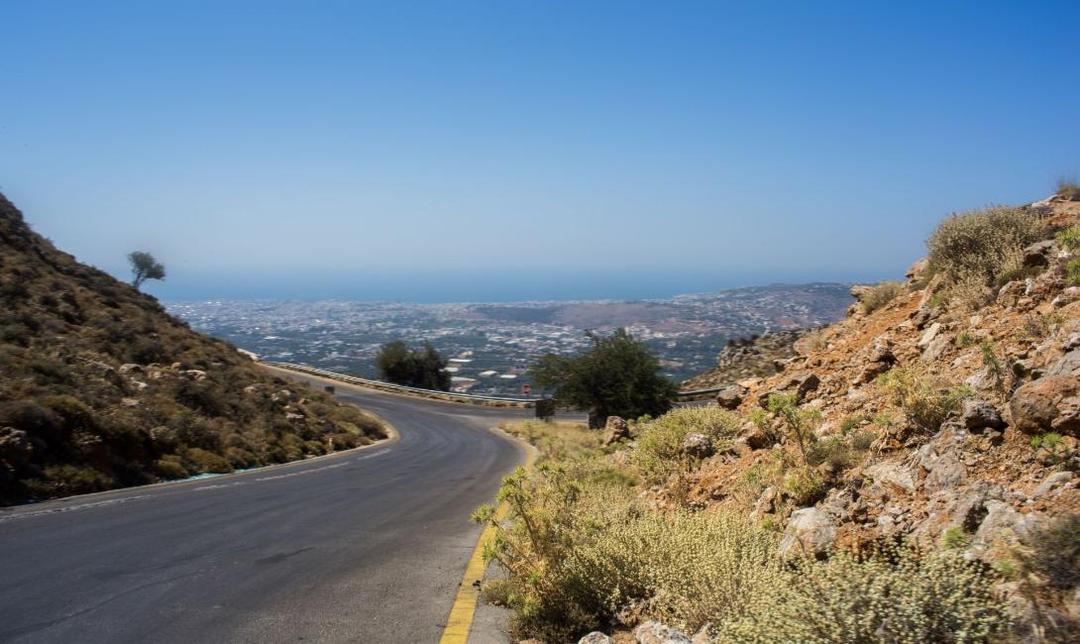
Main roads connecting major towns are generally modern and well maintained. However, rural and mountain roads can be narrower, more winding, and less predictable, particularly inland.
You may encounter steep gradients, sharp bends, and changing road widths, especially when driving through villages or mountainous areas.
Visibility, Lighting, and Unexpected Hazards
Outside towns, road lighting is often limited, especially at night. In rural areas, you may encounter livestock crossing the road or sudden bends with limited visibility.
Driving cautiously after dark and allowing extra time on unfamiliar routes can make a big difference.
Local Driving Behaviour and Traffic Flow
Local drivers are generally confident and familiar with the roads. Overtaking may happen where space allows, and slower vehicles often keep to the right to let others pass.
Staying calm, predictable, and unhurried helps traffic flow smoothly and makes driving more comfortable for everyone.
Driving Position and Road Awareness in Crete
In Crete, as in the rest of Greece, driving is on the right-hand side of the road, with overtaking on the left. While this follows standard European practice, it’s worth keeping in mind on narrow rural roads, at junctions, and when joining main routes, where traffic can approach quickly.
Parking Rules in Crete
Below is an overview of parking rules in Greece and how they are commonly applied when parking in Crete.
Parking in City Centres and Historic Areas
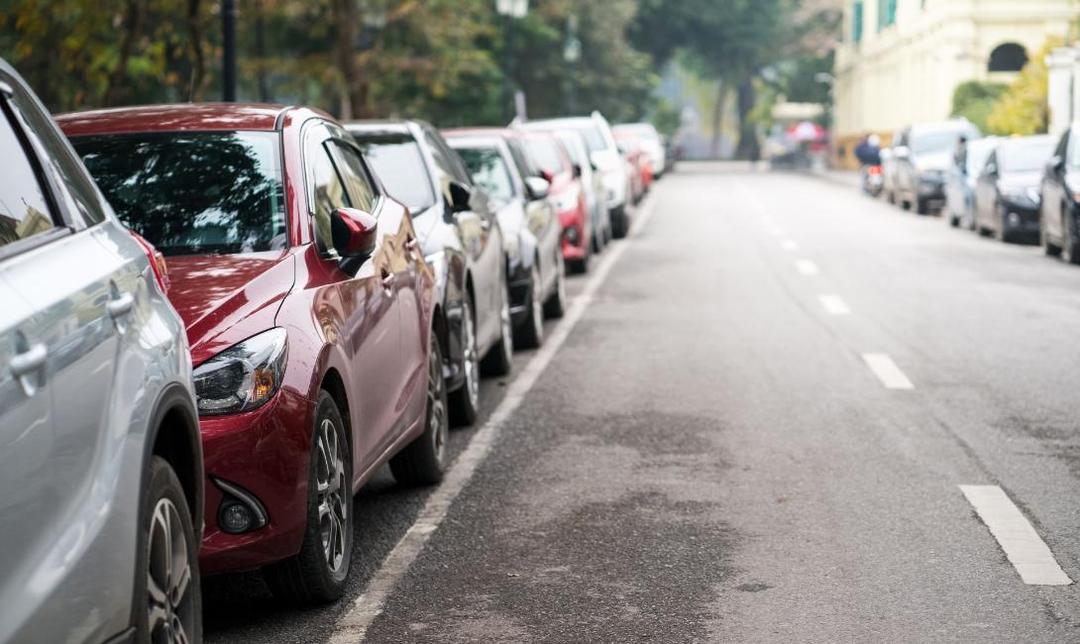
In cities such as Heraklion and Chania, parking controls are tighter, especially near historic centres and pedestrian zones. Restricted streets are clearly marked and should be avoided.
Common Parking Restrictions in Crete
When parking in Crete, you may encounter the following:
- Yellow lines, which usually indicate parking restrictions or no-parking zones
- Narrow streets, where parking can block traffic and may lead to fines or towing
- Pedestrian areas, where vehicle access is often limited or prohibited
Tip: Parking just outside historic centres and walking the remaining distance is often the easiest solution, particularly during peak travel seasons.
Alcohol Limits and Drink-Driving Penalties in Greece (Crete)
Alcohol rules are one area where visitors should be especially careful when driving. Let’s take a closer look at them to be fully prepared:
Legal Alcohol Limits for Drivers
Greek law sets clear blood alcohol limits:
- Standard drivers: up to 0.50 g/l
- New drivers: up to 0.20 g/l
These limits are lower than many visitors expect, and factors such as fatigue or unfamiliar roads can affect how alcohol impacts you.
Drink-Driving Penalties in Greece and What This Means in Practice
In Greece, drink-driving penalties increase as alcohol levels rise and can include fines, licence suspension, vehicle immobilisation, or more serious consequences. Because the legal limits are low, it doesn’t take much alcohol to reach them.
In practical terms:
- 1 glass of wine (around 125 ml) can already bring you close to the limit, especially if you’re tired or driving unfamiliar roads
- Tsikoudia, often served in 30–50 ml glasses, is stronger than it looks and can affect alcohol levels quickly

Tip: For most visitors, the simplest option is to enjoy local drinks when the car is parked for the day and keep driving plans alcohol-free; an easy way to stay relaxed and worry-free.
What are the rules for foreign licence holders driving in Greece?
Licence rules vary depending on where your licence was issued. Below is a quick guide based on the most common visitor licence types:
Driving in Greece with a UK Licence
UK licence holders can drive in Greece for short visits using a valid UK driving licence. An IDP is not required for tourist stays.
Driving in Greece with an American Licence
US licence holders must carry an International Driving Permit alongside their valid US licence. IDPs must be obtained before travelling.
EU and Other Non-EU Driving Licences
EU and EEA licence holders can generally drive using their national licence. Other visitors should check IDP requirements before arrival.
3 Practical Tips for Driving Your Rental Car in Crete
The tips below focus on how those rules translate into everyday situations once you’re actually driving your rental car on the island.
1. Plan Your Rental Car Use Around Meals and Stops
Exploring Crete often means long lunches, seaside tavernas in Agios Nikolaos, and spontaneous stops in villages. It’s common for local wine or tsikoudia to be offered, even earlier in the day.
To keep things simple and relaxed, you can choose to:
- Do most of your driving earlier in the day
- Plan scenic routes before lunch stops
- Choose alcohol-free options when you know you will be driving later
This avoids pressure and lets you enjoy the day without overthinking the return journey.
2. Give Yourself Time to Get Used to the Car and the Roads
Even if you’re an experienced driver, a rental car can feel unfamiliar at first. Take a little time to get used to the car’s size, controls, and visibility before heading onto longer routes. This is especially helpful on rural or mountain roads, where narrow lanes and sharp bends are more common.
3. Check the Basics Before You Set Off
Before starting your drive, a brief check can save you small hassles later:
- Make sure you have enough fuel for your route
- Adjust mirrors and lights
- Keep your licence, ID, and rental documents within easy reach
It’s a small habit, but especially on your first day, it helps everything feel smoother and more relaxed.
Rent a Car with Motorplan and Explore Crete with Confidence
Exploring Crete by car is easier when you know what to expect; from speed limits and parking rules to road conditions and everyday driving habits.
That’s where Motor-plan comes in. With straightforward guidance and local know-how, the goal is to help you get on the road prepared, so driving in Crete feels simple, comfortable, and part of the experience, not something to overthink.
Frequently Asked Questions About Driving Rules in Greece (Crete)
Do the same driving rules apply in Crete as in the rest of Greece?
Yes. Greece has a single national Traffic Code, and the same driving rules apply across the mainland and all islands, including Crete. While road conditions may differ locally, the legal rules remain the same nationwide.
Do tourists need an International Driving Permit to drive in Crete?
It depends on where your licence was issued. EU and EEA licence holders can drive using their national licence. Visitors from non-EU countries, such as the United States, usually need an International Driving Permit (IDP) alongside their valid driving licence.
Is driving in Crete safe for tourists?
Driving in Crete is generally safe for tourists who follow speed limits, respect road signs, and drive cautiously on rural or mountain roads. Most challenges relate to narrow roads and unfamiliar terrain rather than traffic conditions.
What are the legal speed limits in Greece, including Crete?
Speed limits in Greece apply equally in Crete:
- Urban areas: typically 50 km/h
- Residential zones: often 30 km/h
- Rural roads: up to 90 km/h
- Main roads and highways: up to 110–130 km/h where posted
Always follow local signage, as limits can change by area.
What is the legal alcohol limit for drivers in Greece?
The legal blood alcohol limit in Greece is:
- 0.50 g/l for standard drivers
- 0.20 g/l for new and professional drivers
These limits are strictly enforced, including in Crete.
Are road signs in Crete easy to understand for foreign drivers?
Most road signs in Crete follow standard European symbols and are easy to recognise. However, signage may be limited on rural roads, so extra attention is recommended when driving outside urban areas.
Can I drive anywhere in Crete with a standard rental car?
Most destinations in Crete are accessible with a standard rental car. However, caution is advised on mountain roads and unpaved routes, where road conditions may be narrow or uneven.
What documents should I carry while driving in Crete?
You should always carry:
- Your driving licence
- Passport or national ID
- Vehicle documents or rental agreement
These may be requested during routine roadside checks.