 EN
EN NL
NL DE
DE FR
FR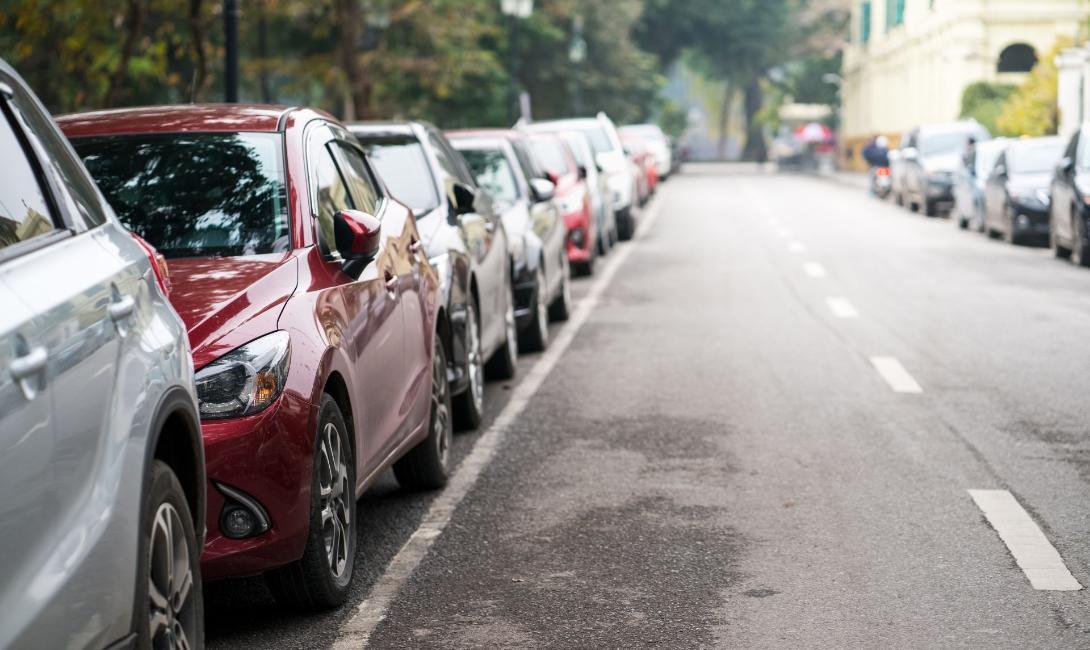
Since late 2025, Greece has enforced an updated Road Traffic Code with stricter penalties and stronger parking enforcement, especially in city centres, ports, pedestrian zones, and controlled parking areas. Parking rules in Greece are set nationally, but parking in Crete requires extra attention due to the island’s mix of historic centres, narrow streets, busy ports, and seasonal tourist traffic. From pedestrian-only old towns and ferry zones to beach roads and village streets, knowing exactly where parking is allowed helps avoid fines, towing, and unnecessary stress.
This guide explains the official parking rules in Greece in 2026 and how they apply in Crete, considering local road layouts, seasonal traffic, and tourist-area restrictions. It’s written for visitors driving on the island, including those renting a car in Crete, and covers street parking, paid and free zones, city-specific differences, and summer conditions.
Table of Contents
- General Parking Rules in Greece (What Applies in Crete)
- Street Parking in Crete – What Tourists Should Expect
- Parking in Crete’s Main Cities (What Changes by Location)
- Free Parking in Crete – What’s Possible & What’s Not
- Parking During Tourist Season in Crete
- Parking in Crete with a Rental Car: Practical Rules & Tips
- FAQs About Parking in Crete
General Parking Rules in Greece (What Applies in Crete)
Greek parking regulations are set by the Greek Road Traffic Code. These rules apply uniformly across Greece, including on islands such as Crete, and cover residents, visitors, and rental vehicles without exception.
| Rule | What It Means in Practice |
|---|---|
| Obstruction ban | Parking is illegal if it blocks traffic flow, pedestrians, driveways, or emergency access |
| Applies to all vehicles | Residents, visitors, and rental cars follow the same rules |
| Signage priority | Road signs always override road markings |
Strict No-Parking Zones in Crete
Certain locations in Crete operate with near zero tolerance, where even short stops can lead to penalties:
- Old town access streets and pedestrianised zones (especially in Chania and Rethymno)
- Port and ferry approach roads, including Rethymno port and parts of Heraklion harbour
- Emergency routes and fire lanes, sometimes including coastal access roads in summer
- Loading and service zones near markets, shops, and central streets
Info: In these areas, vehicles may be fined, clamped, or towed, even if the driver remains nearby.
Parking Lines & Official Road Markings in Crete
Road markings are useful, but signage always takes priority.
- Blue lines: Paid parking zones, usually time-restricted
- White lines: Typically free parking, unless signs indicate limits
- Yellow lines: No parking at any time
In addition to road markings, official parking areas are often indicated by a blue “P” sign, sometimes combined with time limits, payment instructions, or vehicle-type restrictions.
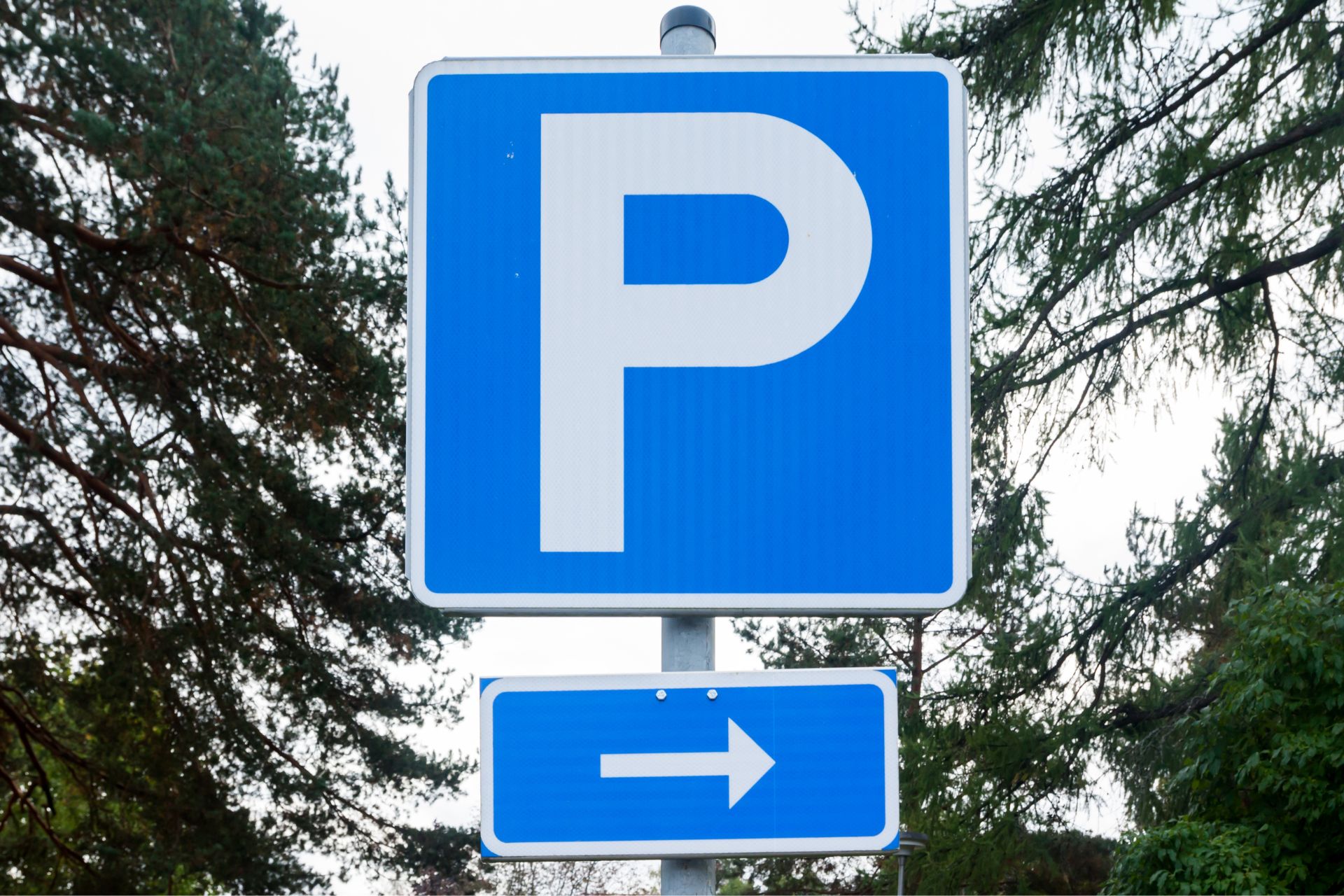
Tip: Around old towns, ports, and waterfronts, rules can change from one street to the next. Always check nearby signs before leaving your private or rental vehicle.
Street Parking in Crete – What Tourists Should Expect
Street parking in Crete varies depending on location, traffic volume, and season.
Street Parking in Crete’s Cities vs Smaller Towns
In cities such as Chania, Rethymno, and Heraklion, street parking is more regulated and often limited. Smaller towns and villages tend to be more flexible, though national parking laws still apply. Drivers can expect:
- Controlled parking zones in city centres
- Fewer marked spaces in villages
- Increased monitoring in tourist areas, especially from May to October
Street Parking Rules Near Beaches & Tourist Areas
Beachfront and tourist-area parking is common but not unrestricted. During summer, many popular beaches introduce:
- Time-limited zones
- Temporary restrictions
- Increased enforcement
Info: Parking on sand, blocking access roads, or stopping too close to the shoreline can result in fines.
Common Street Parking Mistakes in Crete
Visitors often:
- Assume unmarked areas are always free
- Park too close to junctions on narrow roads
- Block village streets unintentionally
Tip: If your car makes the road effectively “one-car wide”, it is usually not legally parked.
Parking in Crete’s Main Cities (What Changes by Location)
Parking conditions vary noticeably across Crete’s main towns and resort areas.
Parking in Chania (Old Town & Modern Areas)
Chania’s old town has very limited vehicle access. Most streets are pedestrian-only, and parking is usually found:
- Outside the historic centre
- In designated municipal or private car parks
Short-term stopping inside the old town is generally prohibited.
Parking in Rethymno (Old Town & Port Area)
Rethymno parking is most restricted near:
- The old town
- The port and marina
Some limited free parking may exist outside the old town, often time-restricted. Port areas are closely monitored, particularly during ferry arrivals.
Parking in Heraklion (City Centre & Residential Zones)
Heraklion features:
- Extensive paid parking zones
- Strict enforcement in the city centre
- Residential streets marked with access restrictions
Tip: Visitors who rent a car in Heraklion should expect stricter enforcement near the old town perimeter, especially during the summer season.
Parking in Agios Nikolaos & Eastern Crete
Agios Nikolaos offers a mix of paid parking and limited free spaces outside the central waterfront and shopping streets. Signage determines legality and time limits.
Parking in Hersonissos (Resorts & Seasonal Restrictions)
Parking in Hersonissos becomes more regulated during summer due to:
- Increased tourist traffic
- Resort activity
- Beach access controls
Seasonal signage is common and should always be checked.
Free Parking in Crete – What’s Possible & What’s Not
Free parking does exist in Crete, but it is often misunderstood. Knowing where free parking is allowed, and what restrictions usually apply, helps avoid fines and confusion.
Legal Status of Free Parking in Crete
Free parking is legal in Crete only where no restrictions apply. The absence of a parking meter does not automatically mean unlimited or unrestricted parking.
Common Areas with Free Parking in Crete
Free parking is more commonly found:
- In villages and small towns
- On residential streets outside city centres
- In non-tourist or low-traffic areas
Even in these locations, time limits or resident-only rules may apply.
Free Parking Near Old Towns in Crete
Near historic centres, free parking usually means:
- Spaces located outside pedestrian or restricted zones
- Areas with time-limited parking rather than unrestricted use
Parking inside old towns is rarely permitted.
Time-Limited Free Parking in Crete
In many locations, free parking comes with a maximum stay, commonly:
- 30 minutes
- 1–2 hours
Overstaying can still result in a fine.
Paid Parking in Crete – Zones, Hours & Payment Methods
Line Colour meanings:
| Line Colour | Meaning | Important details |
|---|---|---|
| Blue | Paid parking | Time-restricted, payment required |
| White | Usually free | Check signs for limits |
| Yellow | No parking | At any time, no exceptions |
Paid Parking Zones in Crete’s Cities
Paid parking zones are common in:
- City centres
- Commercial districts
- Port areas
These zones are clearly marked with signs and coloured road lines.
Types of Paid Parking in Crete
Drivers will encounter:
- Paid street parking (time-restricted)
- Municipal surface car parks
- Underground parking garages
- Private paid parking lots
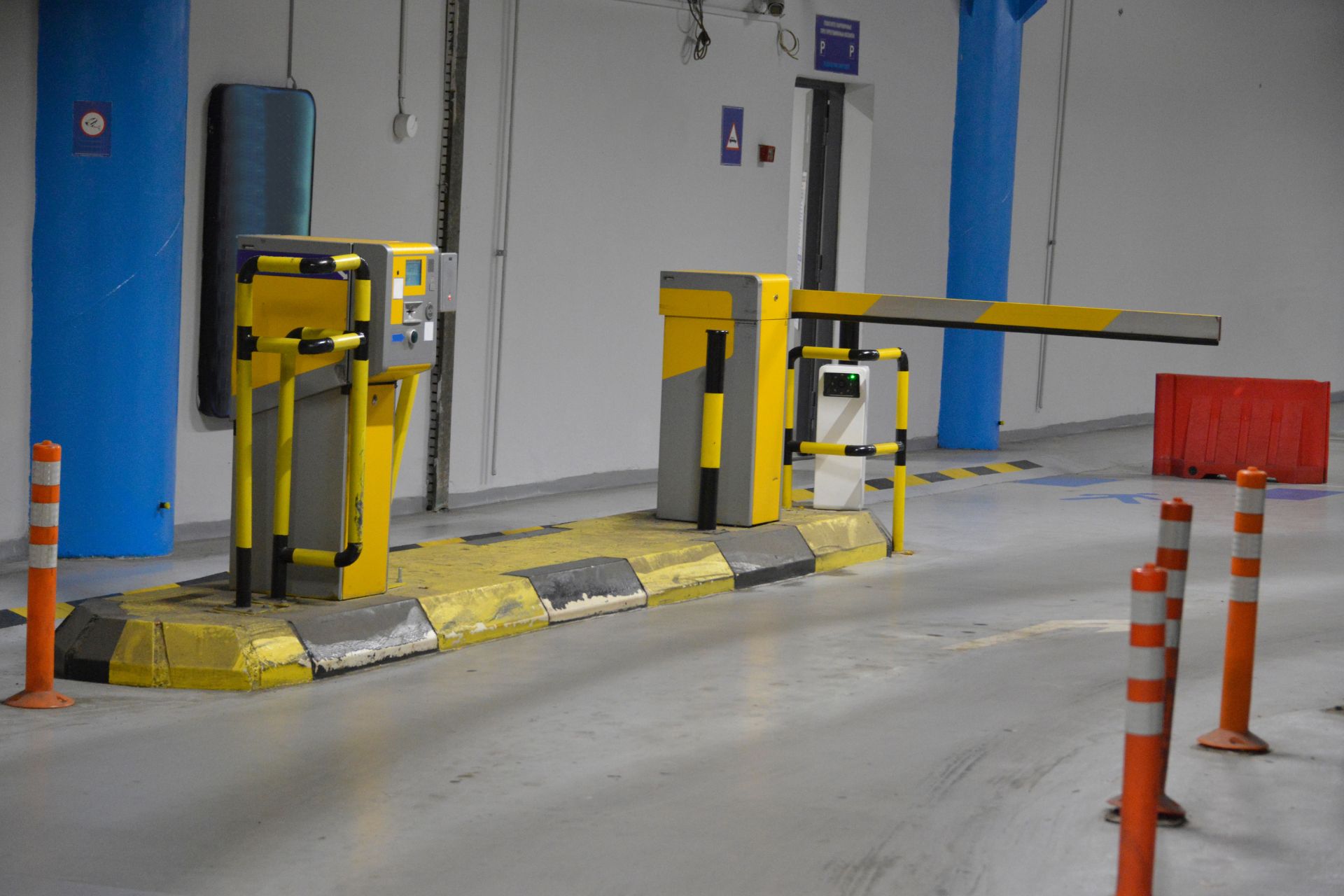
Tip: Organised car parks are often easier and safer than street parking in historic or congested areas.
How to Pay for Parking in Crete (Meters, Apps & Cards)
Payment methods typically include:
- Parking meters
- Mobile parking apps
- Pay-and-display machines
Instructions are usually available in English in tourist areas.
Parking Hours, Enforcement & Fines in Crete
Enforcement is strongest:
- During daytime hours
- In summer months
- Near ports, old towns, and major attractions
Fines are issued to the vehicle and processed accordingly.
Parking During Tourist Season in Crete
Summer Parking in Crete (What Changes)
During summer:
- Available parking spaces decrease
- Restrictions increase
- Enforcement becomes stricter
Seasonal Restrictions Near Beaches & Old Towns
Temporary rules may apply near:
- Popular beaches
- Event locations
- Pedestrianised zones
Always check seasonal signage carefully.
Best Times of Day to Find Parking in Crete
Early mornings and late evenings usually offer:
- Easier parking
- Fewer restrictions
- Less traffic
Parking in Crete with a Rental Car: Practical Rules & Tips
The following points explain what rental-car drivers in Crete should know before parking.
Parking Rules for Rental Cars in Crete
Rental cars in Crete follow the same parking laws as privately owned vehicles. There are no special exemptions under Greek traffic regulations.
Parking Fines & Responsibility for Rental Cars in Crete
Parking fines are issued to the vehicle and later transferred to the renter through the rental company, in line with the rental agreement.
Safe Parking Tips When Driving a Rental Car in Crete
- Use designated car parks whenever possible, especially in cities and tourist areas
- Avoid blocking narrow streets, village roads, or private entrances
- Always lock the vehicle and avoid leaving valuables visible inside
Info: Parking rules are only part of what rental-car drivers need to know. For speed limits, road signs, alcohol limits, and other legal obligations, see our full guide to Driving Rules in Crete.
Rent a Car in Crete with Motor-plan and Explore the Island at Your Own Pace
Understanding parking rules is especially important if you’re driving a rental car in Crete, as fines and restrictions are enforced in exactly the same way as for local vehicles. Having the flexibility of your own car also makes it easier to park outside busy centres, choose less congested areas, and avoid restricted zones altogether. Rent a car in Crete with Motor-plan and explore the island at your own pace, while staying in control of where, when, and how you park.
FAQs About Parking Rules in Crete
What is the safest general rule for parking in Crete?
If your car blocks access, narrows the road significantly, or forces other vehicles to stop or reverse, it is likely parked illegally. When in doubt, parking slightly farther away and walking is the safer option.
Is free parking near old towns allowed in Crete?
Free parking near old towns is usually found outside pedestrian or restricted zones and is often time-limited. Parking inside historic centres such as Chania or Rethymno old town is rarely permitted.
Can I park or stop near airports in Crete?
Parking and stopping near Crete’s main airports (Heraklion Airport and Chania Airport) is strictly regulated. Short-term stopping is allowed only in clearly marked drop-off and pick-up zones. Waiting, stopping, or parking on airport access roads or outside designated areas can result in immediate fines or vehicle removal.
What are typical parking fines in Crete?
Parking fines in Crete commonly range from €40 to €80, depending on the violation. Some municipalities offer a reduced amount if the fine is paid promptly. However, serious offences, such as blocking disabled access, emergency routes, or critical traffic flow, can carry significantly higher penalties, and repeat offences are punished more severely. Parking fines are issued to the vehicle, not the driver.
Can cars be clamped or towed in Crete?
Yes. Wheel clamping and towing are used, especially in city centres, old town access roads, port areas, and emergency routes. Vehicles that block traffic or safety access are the most likely to be clamped or towed.
Are parking rules different for rental cars in Crete?
No. Rental cars follow exactly the same parking laws as privately owned vehicles. There are no exemptions for visitors or rental vehicles under Greek traffic regulations.
What happens if I get a parking fine with a rental car in Crete?
The fine is issued to the vehicle and later passed on to the renter by the rental company. An administrative handling fee may also be charged. This can happen even after you have left Greece.