
Falassarna Beach, Crete: Complete 2026 Guide
Last Updated: 11 March 2026
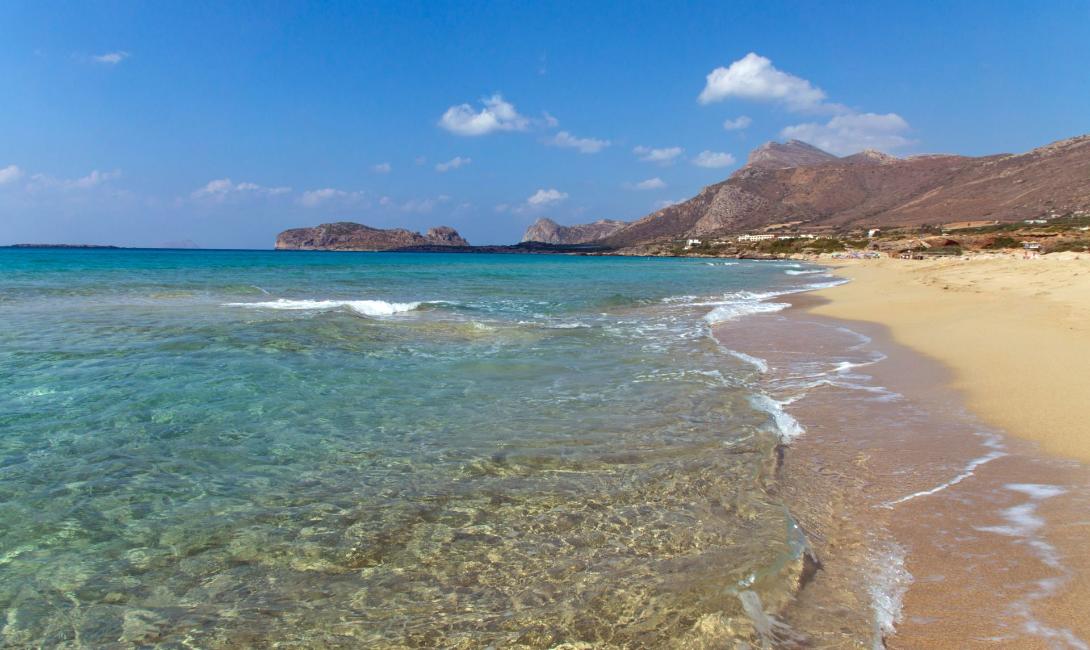
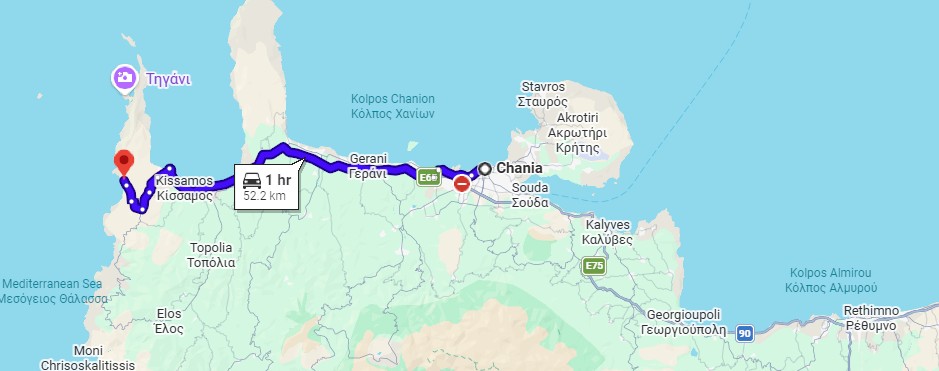
Falassarna (also written Falasarna) is a series of spectacular west-facing beaches on the northwest coast of Crete, about 52 km from Chania. With over a kilometre of golden sand, turquoise waters that rival anywhere in the Mediterranean, and sunsets widely considered the best on the island, it is one of Crete's most rewarding coastal destinations. Unlike the more famous Balos Lagoon, Falassarna is easy to reach by road, has ample parking, and offers enough space and variety to satisfy families, couples, and solo travelers alike.
Whether you're planning a full beach day, a west-Crete road trip, or looking to combine it with Elafonisi and Balos, this guide covers everything you need to know before visiting Falassarna Beach in 2026. The best way to explore Falassarna and the wider west coast of Crete is with a car rental in Crete, giving you full control over your schedule, route, and the freedom to stop wherever the view demands it.
Table of Contents
- Where Is Falassarna Beach in Crete?
- Is Falassarna Worth Visiting?
- How to Get to Falassarna from Chania
- Falassarna: Parking, Access & Beach Layout
- Best Time to Visit Falassarna
- Practical Visitor Tips for Falassarna Beach
- Where to Eat Near Falassarna
- Falassarna vs Elafonisi vs Balos: Key Differences
- Falassarna Day Trip by Car: A Suggested Itinerary
- Rent a Car in Crete with Motor Plan and Explore Falassarna at Your Own Pace
- FAQs About Falassarna Beach in Crete
Where Is Falassarna Beach in Crete?
Falassarna is located on the far northwest coast of Crete, in the Chania regional unit. It sits at the foot of a dramatic hillside, facing directly west toward the open Mediterranean. The nearest town of any size is Kissamos (also called Kastelli), roughly 14 km to the northeast.
In terms of driving distances, Falassarna is approximately 60–90 minutes from Chania, about 2.5 hours from Rethymno, and around 4 hours from Heraklion. If you're arriving at Chania Airport, the drive is just over an hour. Alternatively, you can rent a car at Heraklion Airport and drive west along the scenic national road.
The area itself is rural and agricultural, with greenhouses, olive groves, and a handful of tavernas, studios, and small shops lining the road that descends to the coast. As you drive downhill toward the beaches, the first view of the turquoise water below is striking, especially on a clear day.
Is Falassarna worth visiting?
Yes. Falassarna is one of the best beaches in Crete, and one of the few that combines space, easy access, great swimming, and west-facing sunsets in a single location. Here's what makes it stand out:
- Space and variety: Falassarna is not one beach but a string of five connected beaches, each with a distinct character. The main stretch (Pachia Ammos) alone is over 1 km long and roughly 150 m wide, meaning even on busy summer days, it rarely feels cramped.
- Golden sand and clear water: The sand is soft and golden, and the water transitions from shallow turquoise near the shore to deeper blue further out, all with excellent clarity.
- Clear-horizon sunsets: Facing due west with no obstacles on the horizon, Falassarna produces some of the most vivid sunsets in Greece. Watching the sun drop behind the sea from the beach or a nearby taverna terrace is an experience worth planning around.
- Family and couple friendly: Shallow sections, sheltered rock pools at the northern end (Baby Beach), organized sunbed areas, and a relaxed atmosphere make it suitable for families. Couples can retreat to quieter coves to the north or south.
- Easy car access: Falassarna is reachable via a fully paved road with free parking at multiple points along the coast.
Tip: If you're building a Crete travel itinerary, Falassarna deserves a full day, not just a quick stop.
How to Get to Falassarna from Chania (Car, Bus, Tour)
Below are the best ways to reach Falassarna from Chania. Here's what you need to know:
By car
Driving is by far the most practical way to reach Falassarna. From Chania, take the national road (E65) west toward Kissamos. After passing through Kissamos, continue to the village of Platanos and follow the signs to Falassarna. A scenic, winding road descends about 3 km to sea level. The road is fully paved and manageable for any standard car.
With your own vehicle, you control your arrival time (early mornings are best in summer), carry everything you need for the day, and can easily combine Falassarna with nearby destinations like Balos, Elafonisi, or the Topolia Gorge. To find the right vehicle for your route, browse the Motor Plan fleet and choose from compact cars, SUVs, and more.
By bus
KTEL buses run from Chania's main bus station to Falassarna during the tourist season (roughly May–October), with up to six services daily in peak summer. The ride takes about 90 minutes and the bus stops within walking distance of the beach. Return schedules can be limited in the afternoon, so always check the latest KTEL timetable in advance. Outside peak season, services are significantly reduced or discontinued.
By organized tour
Several operators run full-day tours from Chania that include Falassarna, often combined with Elafonisi or Balos. These work if driving isn't an option, but time at each beach is typically capped at 2–3 hours — not enough to explore different sections, wait for the sunset, or adjust your plans if the wind picks up.
Falassarna: Parking, Access & Beach Layout
Parking at Falassarna
There are several free parking areas spread along the road that runs behind the beaches. The largest lot is near the main Pachia Ammos beach and fills up quickest in summer. Additional spots are available near the northern Baby Beach and the southern coves. In July and August, arriving before 10:00 AM significantly improves your chances of finding a convenient space.
Falassarna beach sections at a glance
| Beach Section | Character | Best For |
|---|---|---|
| Pachia Ammos (Big Beach) | 1 km+ of golden sand, sunbeds, beach bars, Blue Flag | Swimming, water sports, full-day beach visits |
| Baby Beach (north) | Sheltered rock pools, tavernas nearby, quieter | Families with small children, sunset viewing |
| Livadi (south) | Sandy shore, rocky seabed, wetland backdrop | Snorkeling, solitude seekers |
| Northern coves | Small, semi-wild, pebble and sand mix | Privacy, exploring, nudist-friendly in parts |
| Southern cove (near Limeniskos) | Pebbly, close to small harbour settlement | Low crowds, easy access |
Falassarna is not a single beach but a collection of five connected stretches, each with its own characteristics.
Tip: If you want the full organized beach experience (sunbeds, bars, water sports), head to Pachia Ammos. If you want peace and sheltered water for kids, drive to Baby Beach at the northern end.
Best Time to Visit Falassarna
Falassarna is at its best between May and October, when tavernas, beach bars, and facilities are all running. The month you choose and the time you arrive both shape the experience — here's what to expect.
Best months to visit Falassarna
| Month | Sea Temperature | Crowds | Notes |
|---|---|---|---|
| May–June | 19–22°C | Low | Wildflowers on the hills, easy parking, all tavernas open. Sea still cool in May. |
| July–August | 24–26°C | High | Air in the mid-30s, all facilities running. Sunbeds and parking fill early — arrive before 10:00 AM. |
| September–October | 22–24°C | Low to moderate | Warm sea, softer light, thinner crowds. Some businesses close in late October. |
Best time of day at Falassarna Beach
| Time | Conditions | Best for |
|---|---|---|
| Early morning (before 10:00) | Calm sea, light wind, empty beach | Swimming, snorkeling, securing parking |
| Midday–afternoon | Wind builds, waves increase | Bodyboarding, windsurfing, beach bars |
| Late afternoon–sunset | Wind eases, golden light | Photography, sunset viewing from Baby Beach or taverna terraces |
Wind is the main variable at Falassarna, and it shifts through the day. Plan your activities around it.
Practical Visitor Tips for Falassarna Beach
Falassarna is one of the most family-friendly beaches in western Crete, but a few things are worth knowing before you lay down your towel.
Falassarna swimming tips
- The water at Pachia Ammos is shallow near the shore and deepens gradually — comfortable for all levels on calm days
- Afternoon winds can build waves and currents quickly — less confident swimmers should stay in shallower areas
- Lifeguard service is available at the main Pachia Ammos beach during summer
- Check wind conditions the evening before — mornings are almost always calmer
- The rocky edges near the northern coves offer good snorkeling visibility on calm days
Tips for families with kids at Falassarna
- Head to Baby Beach (north end) — its natural rock pools hold calm, shallow water protected from waves and currents
- A small train shuttle runs between the parking area and the beach during peak season, saving the walk with gear
- Beach bars near Baby Beach serve food and drinks throughout the day
- Pachia Ammos has soft sand ideal for toddlers — avoid Livadi and the southern cove where the seabed is rocky
- Arrive before 10:00 AM in summer for the best parking and the calmest water
Packing tips for Falassarna Beach
The organized sections of Pachia Ammos have sunbeds, umbrellas, and beach bars. If you're heading to the quieter coves, bring your own supplies:
- Plenty of water — at least 1.5 litres per person on hot days
- Sunscreen, hat, and a cover-up — shade is limited outside the sunbed areas
- Water shoes — essential at Livadi and the southern cove
- Snorkeling gear for the northern coves
- Snacks or a packed lunch for unorganized sections
- A windbreaker or extra towel if the afternoon wind picks up
Where to Eat Near Falassarna
Falassarna has a handful of tavernas and beach bars along the coast road and directly on the sand. The food is simple Cretan cooking: grilled fish caught locally, dakos salad, lamb chops, and raki on the house to close the meal. Nothing fancy, but the portions are generous and the prices reasonable compared to resort areas.
Several beachfront tavernas along the main Pachia Ammos stretch serve food and drinks throughout the day, some delivering directly to your sunbed. At the northern end near Baby Beach, you'll find Golden Sunset, Alea, and Orange Blue, all well-regarded by repeat visitors for quality food and sunset views.
If you're planning to watch the sunset from the beach, time your dinner reservation (or taverna arrival) for 30–45 minutes before sundown. Falassarna's west-facing orientation means the sun drops directly into the sea with no obstructions, and the best vantage points fill up quickly in peak season.
Falassarna vs Elafonisi vs Balos: Key differences
Falassarna, Elafonisi, and Balos are the three headline beaches of western Crete, and most visitors based in Chania try to fit in at least two. They look very different from each other, and each suits a different kind of day.
| Falassarna | Elafonisi | Balos | |
|---|---|---|---|
| Access | Paved road, easy drive, ample parking | Paved road, scenic but winding, parking fills early | Rough dirt road + 20 min downhill hike, or boat from Kissamos |
| Beach type | Wide golden sand, multiple sections | Pink-tinted sand, lagoon-like shallows | Wild lagoon, shallow turquoise water |
| Crowds | Busy but spacious; rarely feels cramped | Very busy in peak season | Busy (especially when boats arrive) |
| Facilities | Sunbeds, beach bars, tavernas, water sports | Sunbeds, snack bar, limited | Minimal (a few sunbeds, one snack bar) |
| Sea conditions | Can be wavy when windy; calm mornings | Shallow, mostly calm, warm | Very shallow and calm; family-safe |
| Sunset | Exceptional (best on Crete) | Excellent | Good but often visited as day trip |
| Best for | Full-day beach, families, sunset lovers | Unique scenery, shallow water, photography | Adventure seekers, iconic landscape |
Our take: If you have time for only one, choose based on what matters most to you. If you have a rental car and two or three days in the Chania region, you can comfortably visit all three. To plan your route, check our things to do in Chania guide for more west-Crete ideas.
Falassarna Day Trip by Car: A Suggested Itinerary
With a rental car, Falassarna fits beautifully into a full-day west-Crete loop. Here's a practical route that balances beach time, scenery, and a relaxed pace:
Morning: Chania to Falassarna
Depart Chania or your accommodation early (by 8:30 AM) and drive west on the E65 toward Kissamos. The drive is about 40 minutes to Kissamos. Continue through Platanos village, then follow the signs downhill to Falassarna. Arriving by 10:00 AM gives you calm water, good parking, and the beach largely to yourself.
Midday: Beach time at Falassarna
Spend the core hours at the beach. Swim, snorkel, or explore different sections. Have lunch at one of the beachfront tavernas. If the wind picks up in the afternoon and you prefer calm water, this is a good time to move on.
Afternoon option A: Falassarna to Balos
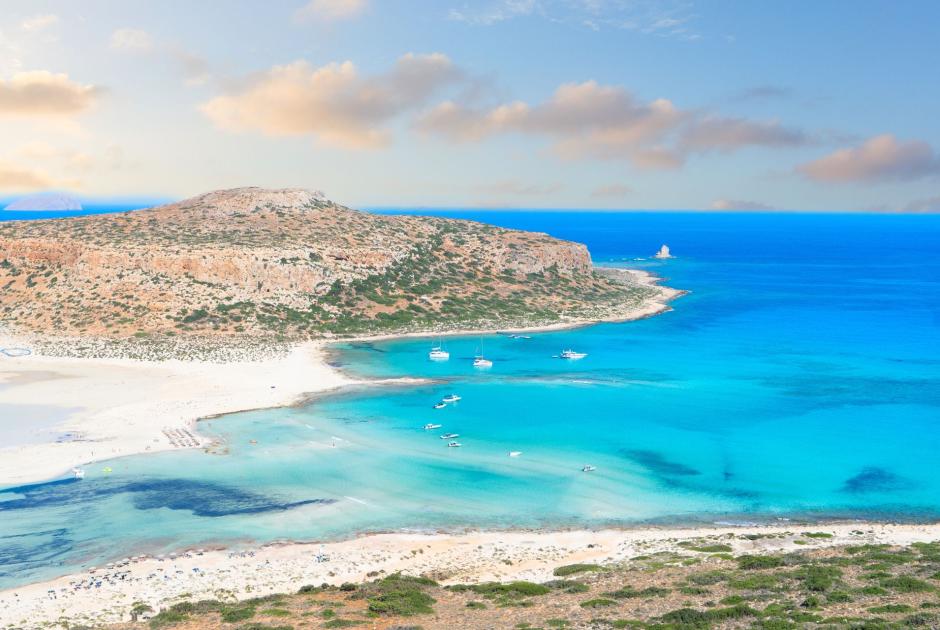
Drive north toward Kissamos, then follow signs to the Balos trailhead (Kaliviani). The drive is about 35–40 minutes from Falassarna. The 20-minute hike down to Balos Lagoon is rewarding, and late afternoon is often less crowded. Return to your car before sunset.
Afternoon option B: Topolia Gorge & Kissamos
For a less beach-heavy afternoon, drive inland through the Topolia Gorge toward Elos. Stop at the cave chapel of Agia Sophia, enjoy the mountain scenery, then loop back to Kissamos for a coffee or a stroll along the small harbour before heading to Chania.
Evening: Sunset dinner at Falassarna Beach
If you stayed at Falassarna for the sunset (highly recommended), enjoy dinner at one of the beachside tavernas before the drive back to Chania, which takes about 60–90 minutes in the evening.
Rent a Car in Crete with Motor Plan and explore Falassarna at your own pace
Falassarna is easy to reach from Chania, but having your own car gives you full flexibility. You can arrive early for calm water and good parking, stay for the sunset, combine Falassarna with Balos or Elafonisi, or stop at the Topolia Gorge along the way — all without relying on bus schedules or tour timings. Rent a car in Crete with Motor Plan and explore Falassarna and the wider west coast comfortably, on your own schedule.
FAQs about Falassarna Beach in Crete
Is Falassarna Beach free?
Yes. Entry and parking are free. You only pay if you choose to rent sunbeds and umbrellas at the organized sections of the main beach (Pachia Ammos). Prices vary by location and type, with basic sunbed sets starting around €10–15 and premium cabanas costing more.
Is Falassarna Beach windy?
It can be. Falassarna faces west and is exposed to prevailing northwest winds, which tend to strengthen in the afternoon. Mornings are typically calmer. On very windy days, the beach can be uncomfortable due to blowing sand and rough waves. Checking a wind forecast the evening before your visit is strongly recommended.
What to do in Falassarna Beach?
Most people come for the swimming and sunbathing, but there's more to it. The rocky northern edges are good for snorkeling, windy afternoons bring bodyboarding and windsurfing, and the ancient harbour ruins are a short walk north. Families head to Baby Beach for its sheltered rock pools. Time it right, and the sunset alone is worth the trip.
Is Falassarna Beach pink?
Falassarna's sand is predominantly golden-white. Some areas show faint pink tones from crushed shells, but it is not a pink-sand beach in the way Elafonisi is known for. If pink sand is a priority, plan a separate day for Elafonisi.
How far is Falassarna from Balos Beach?
About 25 km (35–40 minutes by car). Many visitors combine both in a single day trip, starting at Falassarna in the morning and heading to Balos in the afternoon, or vice versa.
Where to stay near Falassarna Beach?
Falassarna has a handful of studios and apartments close to the beach which is enough for a quiet overnight, but limited in variety. Kissamos is the nearest town with a fuller range of hotels, restaurants, and an ATM. If you prefer a livelier base with more dining and nightlife, Chania works well as a day-trip starting point.
Where should I park at Falassarna?
Several free parking areas are spread along the road behind the beaches. The main lot near Pachia Ammos fills up fastest. For quieter parking, try the Baby Beach area or the southern sections. In July–August, arrive before 10:00 AM.
What is the best time to visit Falassarna?
September is the sweet spot: warm sea (around 23°C), thinner crowds, and good sunset light. June is the best option if you want to avoid peak season entirely. July and August are hottest and busiest — arrive before 10:00 AM.