 EN
EN NL
NL DE
DE FR
FR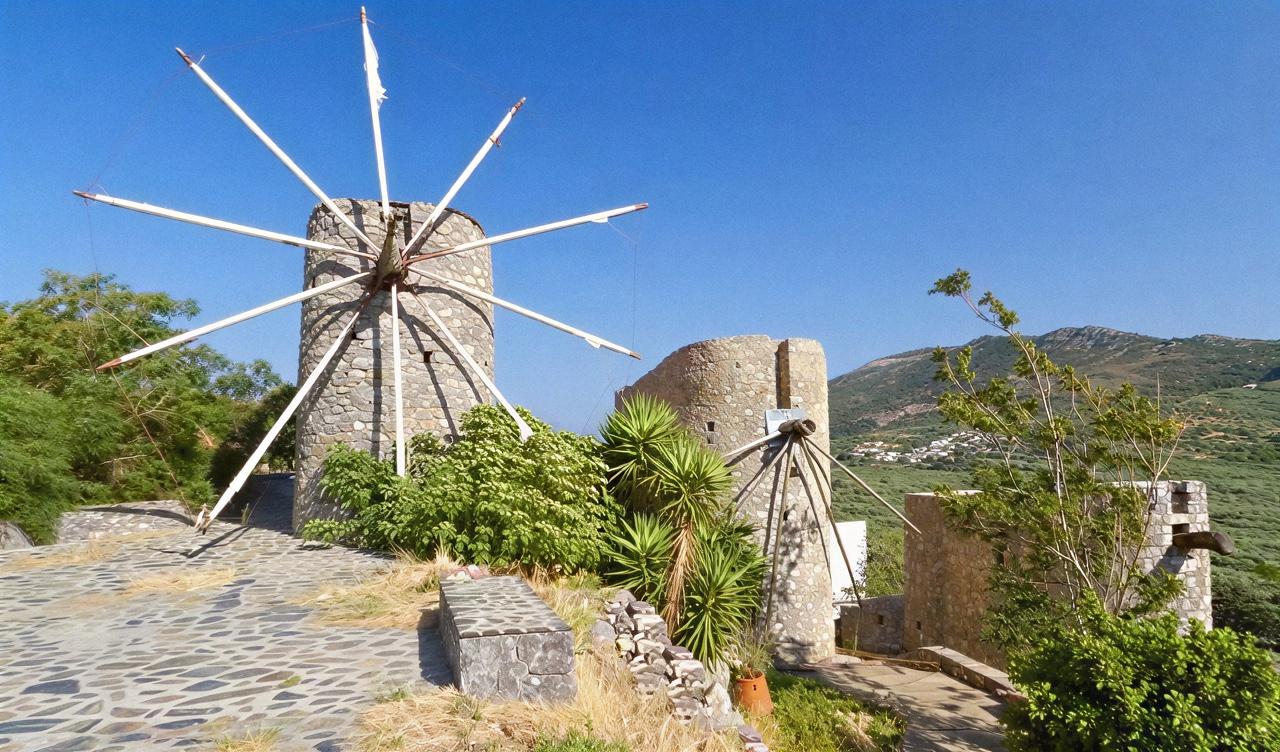
Location
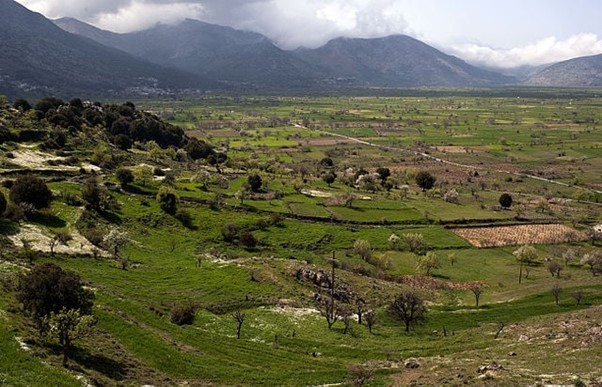
The altitude ranges from 800 to 850 m, making Lassithi one of the few residential areas in the Mediterranean at such high altitude. Indeed, every year the plateau is covered by snow and then thousands of Cretans arrive to admire the white landscape. In most years, snow remains on the mountain peaks till mid-spring.
The 18 villages of the plateau are built at the foot of the surrounding mountains, leaving the plains free to cultivate, and they are connected by a 23 km long circular road. Actually, this beautiful circular route is ideal for cycling as there are no large hills and, along it, you will have the chance to visit all the attractions of the plateau.
How to Get There
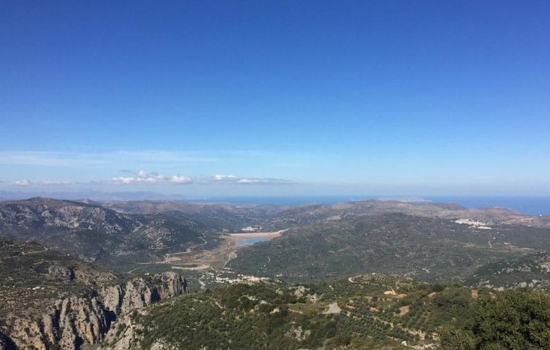
The wonderful Lassithi Plateau is located about 25 km south of Malia and 70 km west of Heraklion city. Located in a peaceful and fertile region, it is surrounded by the wild mountains of Dikti and several smaller plateaus. The views of the surrounding mountains of Selena and Afendis Hristos are majestic.
You can rent a car and book online or get a quote from our website. Search for your favourite car now and pick among a variety of cheap or luxury cars. We offer you some of the best possible prices in Crete.
Where to Stay
There are traditional houses and accommodations you can stay in.
Sightseeing
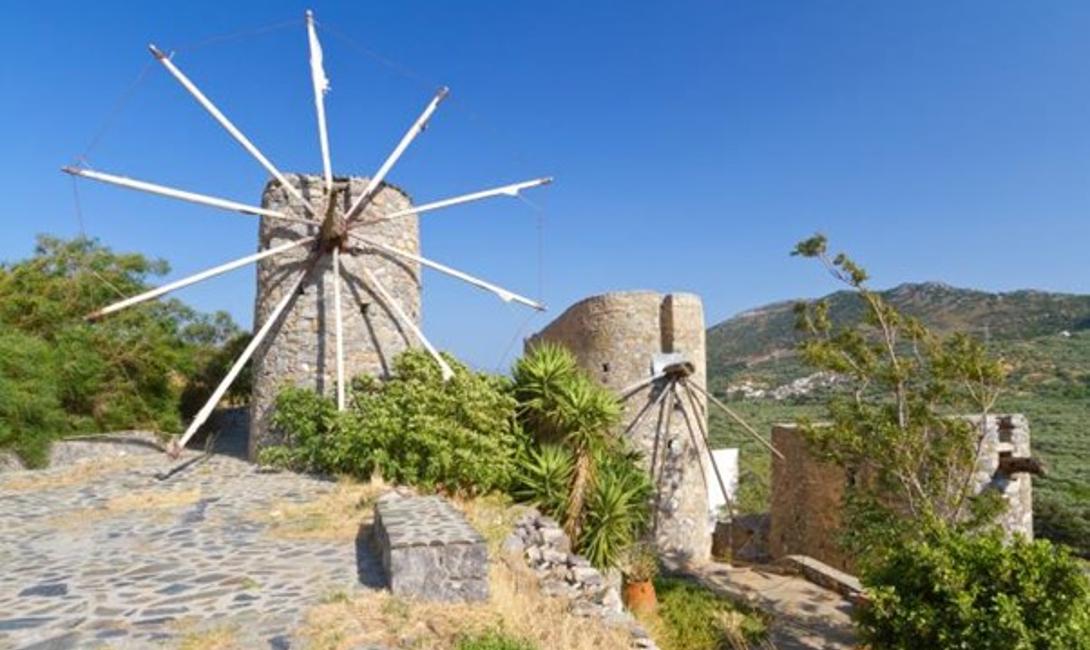
The villages and traditional locations around the plateau are full of life and nature. Traditional mills are astonishing to watch on the plateau.
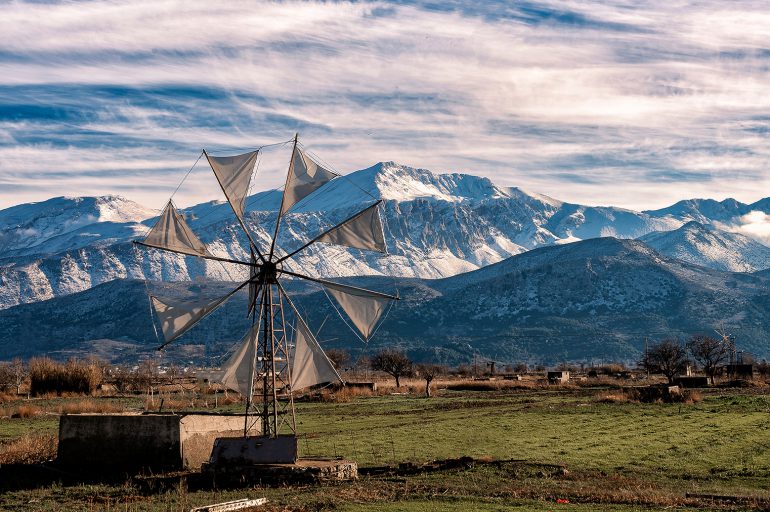
Lassithi Plateau is famous for its windmills with white cloths, a trademark of the area. These were water and flour mills, made mostly by the Peloponnese settlers that arrived here in the late 19th century, to irrigate the plateau. Unfortunately, today many young people have abandoned their homeland because the Greek state does not provide incentives, and some villages look deserted with an elderly population. Thus, the landscapes of 12,000 whitewashed windmills, which once drew water from wells to irrigate cultivations, can now mostly be seen on old postcards. Still, you can see several windmills, since many of them have been restored in recent years. Moreover, at the entrance of the plateau, at Ambelos, we still see the largest stone windmill park in Greece.
Another attraction of the plateau are linies, the linear drainage projects that were built by the Venetians to transport water across the plateau. Indeed, when the Venetians conquered Crete, they turned Lassithi into the largest garden of Crete, which still supplies the island with excellent quality potatoes and vegetables. On a walk at any point of the plateau, you will find linies, large ditches carrying water.
Within a short distance from the village of Agios Konstantinos and the nearby artificial reservoir with the goldfish, you will meet the imposing and rugged canyon of Havgas, carrying the water of the highest Katharo Plateau in Lassithi. The plain is crossed by the Great River that leads water into a large sinkhole, Honos, on the opposite side of the plateau, from where it finds its underground way to the Aposelemis River through the springs of Fleges by the village of Kastamonitsa. Honos is full of water till spring and you can visit it next to Kato Metohi.
Entertainment
Many traditional restaurants are all over the surrounding villages of the plateau, like Tzermiado, Marmaketo, Krasi and Psichro. There are also nice cafes and kafeneia, and a bar is available in Tzermiado.