 EN
EN NL
NL DE
DE FR
FR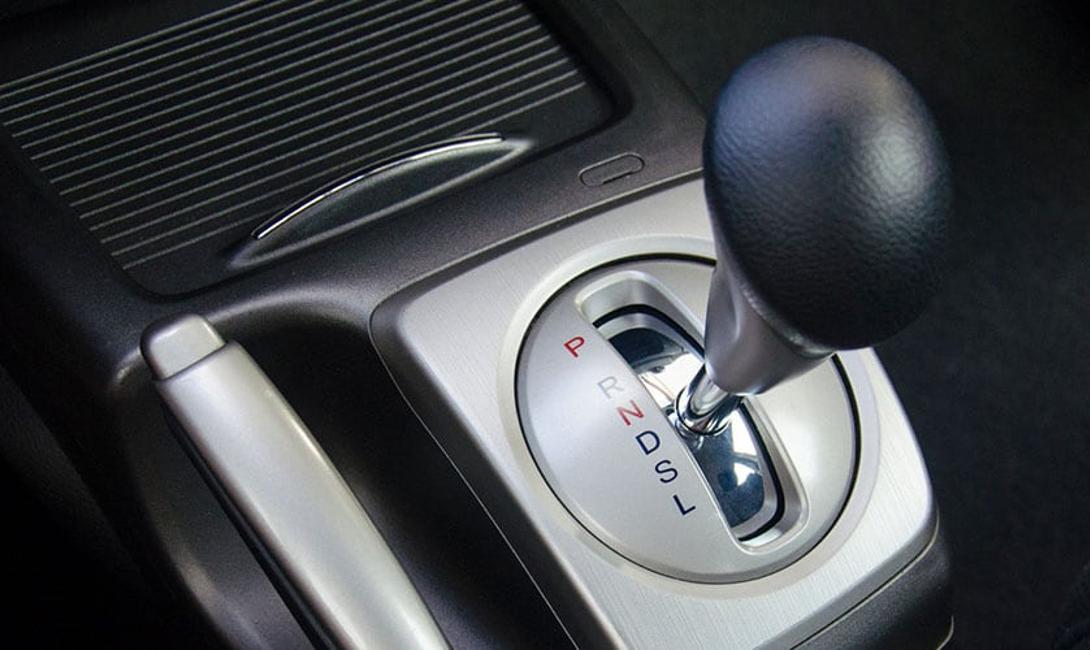
If you hold a manual licence, you can legally drive and rent an automatic car, although letting the car handle the gears might take some getting used to. Discover quick tips for driving an automatic car.
Automatics are easier to drive than manual cars: as the name says, they do a lot of the work for you. So it’s not surprising that people with a manual driving licence can also hire and drive automatic cars (but not vice versa).
Never driven an automatic before? It’s simple… just check out these tips and you’ll feel at home behind the wheel in no time.
1) Forget about the clutch pedal
Automatics do have gears, but the car handles most gear changes itself. That’s why there’s no clutch pedal – just the brake and the accelerator.
Any car, manual or automatic, will be upset if you hit those two pedals at the same time. So a lot of ‘manual’ drivers actually tuck their left foot behind their right foot while they’re getting used to an automatic. Just in case their left foot forgets that it's not a clutch on the left-hand side.
No clutch at all: brake on the left, accelerator on the right. It’s normal to use only your right foot when driving an automatic.
2) Get used to the gearstick
Before you even turn the key, take some time to get used to the gearstick. You’ll only use it occasionally, but if you need to find reverse in a hurry, you’ll be glad you did this. You won’t touch the gearstick much in an automatic… but when you do shift gear, just hold the brake down (like the clutch in a manual).
There are four basic gears:
- P – Park
Park is just Neutral with the gears locked so the wheels can’t turn. It’s always good to make sure you’re in Park before you start the car – and back in Park before you turn the engine off. - R – Reverse
For going backwards, of course. - N – Neutral
Stopping at lights or in traffic (for more than a couple of seconds)? Lots of automatic drivers will put the car in Neutral. As with a manual car, it’s best to use the brake/handbrake to make sure you don’t roll. - D – Drive
For going forwards. When you’re moving fast enough, the car will automatically switch to second gear, then third, and so on.
Some automatics have other settings on the gearstick as well. For example, you might see:
- 1: Stay in first gear (good for hills)
- 2: Stay in second gear (good for hills)
- L: Stay in low gear (1 or 2)
- S: Sport (better acceleration)
An automatic gearstick, showing the different settings. P stands for park.
3) Be prepared to ‘creep’
An automatic will move slowly forwards if you’re in Drive or any other forward gear. If you’re in Reverse, it’ll slowly go backwards. This is called ‘creeping’ (or ‘idle speed’) and it makes it easy to simply keep your right foot over or on the brake when you’re parking or in slow-moving traffic. You can select Neutral and/or use the brake (or handbrake) to make sure you don’t move when you don’t want to.
4) Know what to expect in different conditions
Automatic cars are certainly easier to learn to drive in: there’s no need to think about gears, so learners are free to focus on mirrors, speed, other cars, pedestrians and all the rest.
But if you’re already used to a manual, you’ll notice some differences:
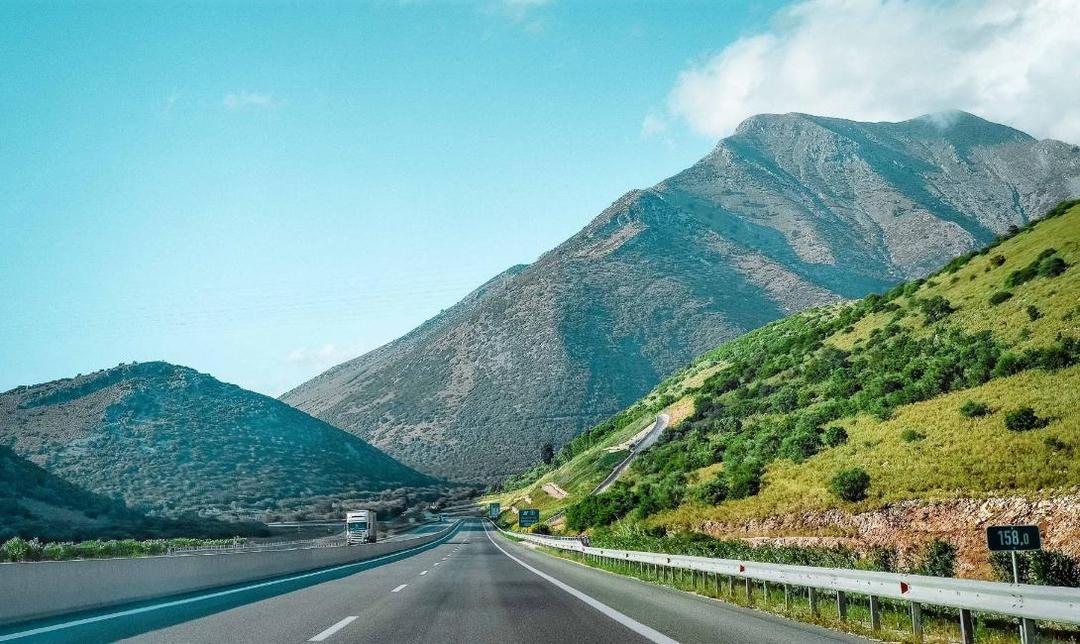
- On motorways, there’s no real difference at all: staying in Drive is exactly the same as staying in top gear.
- In traffic jams, automatics are great. It’s nice not to have to shift between first and neutral over and over.
- When you’re parking, you might find the ‘creep’ feature useful. Or you might think it’s annoying.
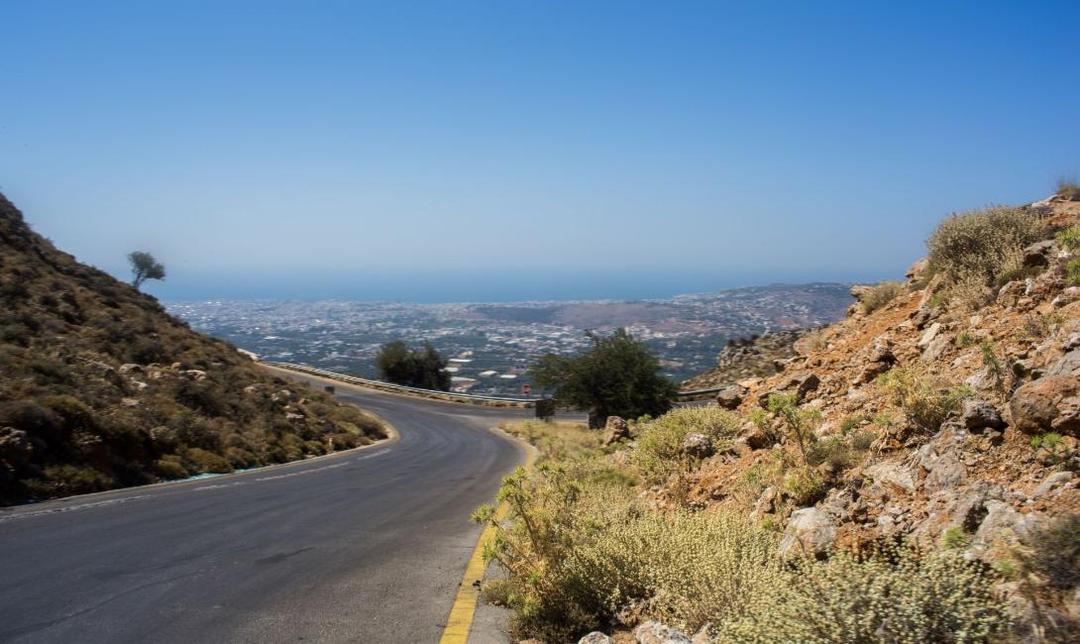
- While overtaking, or going up/down hills or towing, some people find an automatic car doesn’t give them as much control as a manual. However, most older automatics have an ‘O/D’ (Overdrive) button* on the gearstick that gives the engine a bit more ‘oomph’. And most newer models are smart enough to know when the driver wants a bit more power, so they don’t need this button.
* Overdrive is a feature that keeps the revs down so the car uses less fuel. An automatic car will start off with Overdrive on, so pushing the button turns it off – you’ll burn more fuel, but get more power/control.
5) Practise
Finally, it’s best to practise a bit somewhere out of the way before you hit any busy roads.
It shouldn’t take long to get used to keeping your hand off the gearstick and your left foot out of the way.
And of course, renting an automatic is a great way to find out whether you like the way they handle, without actually buying one. Who knows? After a few days in an automatic, you might decide you never want to drive a manual car again.